BioWorld. Link to homepage.

Clarivate
  • BioWorld
  • BioWorld MedTech
  • BioWorld Asia
  • BioWorld Science
  • Data Snapshots
    • BioWorld
    • BioWorld MedTech
    • Infographics: Dynamic digital data analysis
    • Index insights
    • NME Digest
  • Special reports
    • Infographics: Dynamic digital data analysis
    • Trump administration impacts
    • Under threat: mRNA vaccine research
    • BioWorld at 35
    • Biopharma M&A scorecard
    • BioWorld 2024 review
    • BioWorld MedTech 2024 review
    • BioWorld Science 2024 review
    • Women's health
    • China's GLP-1 landscape
    • PFA re-energizes afib market
    • China CAR T
    • Alzheimer's disease
    • Coronavirus
    • More reports can be found here

BioWorld. Link to homepage.

  • Sign In
  • Sign Out
  • My Account
Subscribe
BioWorld - Thursday, December 18, 2025
Home » China’s CAR T market comes of age
BioWorld / Cancer / CAR T / Cell therapy / Asia-Pacific / China
Email
Tweet

China’s CAR T market comes of age

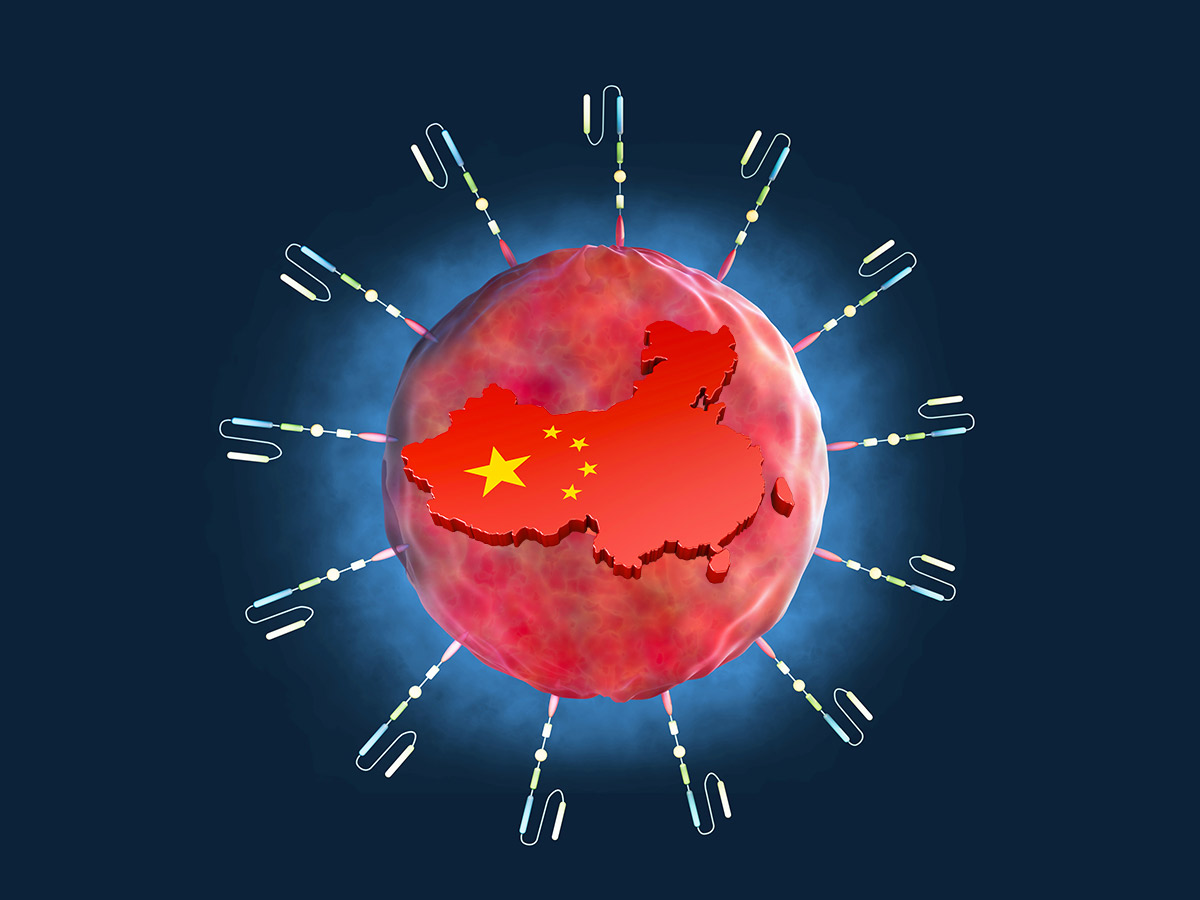
CAR T cell with map of China as nucleus

China’s investigator trials accelerate competitive CAR T development

China’s CAR T market is expected to grow from $72 million in 2022 to $342 million over the next decade. There are currently more than 400 CAR T therapies in the pipeline in China, and most of these are being developed by specialized Chinese biotechs. Research by Clarivate plc, BioWorld’s parent company, indicates that a notable proportion of CAR T-cell therapies in late-phase development in China are being developed through strategic partnerships and joint ventures between multinational corporations and domestic companies, including Johnson & Johnson and Nanjing Legend Biotech Corp., Juno Therapeutics Inc. and Wuxi Apptec Co. Ltd., and CASI Pharmaceuticals Inc. and Juventas Cell Therapy Ltd.

CAR T pipelines bloom to treat world’s largest cancer population

As of Jan. 31, 2024, there were more than 300 CAR T trials registered in China, surpassing the U.S. and becoming the country with the most CAR T therapy clinical trials. Among them, CD19 is the most frequently studied target, according to BioWorld and Cortellis. The rapid evolution of CAR T-cell therapies in China has escalated over the past decade from the start of the first clinical trials in 2013 to the country becoming an established host for CAR T-cell-related trials by 2017, according to Yongxian Hu and researchers from Zhejiang University in Hangzhou, China. Chinese cell therapy companies – backed by $2.37 billion in funding in 2021 – have since significantly increased basic research and trial output for CAR Ts, which was welcomed by large patient demand.

China grapples with providing access to CAR T therapies

The process of manufacturing autologous T-cell therapies is technically challenging when compared with other oncology drugs, making the overall cost of developing CAR T therapies significantly higher. A challenging reimbursement environment for drugs listed on China’s National Reimbursement Drug List also means that most patients will have to pay out of pocket to access CAR T therapies. Taken together, complex logistics – production, manufacturing and supply chain – and complicated administration requirements are key bottlenecks that inflate the input costs involved in developing these specialized treatment options.


Popular Stories

  • Today's news in brief

    BioWorld
    BioWorld briefs for Dec. 17, 2025.
  • Today's news in brief

    BioWorld MedTech
    BioWorld MedTech briefs for Dec. 17, 2025.
  • Novo Nordisk semaglutide pill

    CTAD 2025: Diagnosing semaglutide’s failure in Alzheimer’s trials

    BioWorld
    A little over a week after announcing that the Evoke and Evoke+ studies failed to show that oral semaglutide could slow cognition decline in patients with...
  • EU flag vector

    European Commission floats multiple fixes for MDR, IVDR

    BioWorld MedTech
    The European Union’s struggles with regulations for devices and in vitro diagnostics seem virtually endless, but the European Commission floated a series of...
  • Acute myeloid leukemia illustration

    Apollo’s APL-4098 shows potent antileukemic effects

    BioWorld Science
    Apollo Therapeutics Ltd. has developed APL-4098, a small-molecule general control nonderepressible 2 (GCN2) inhibitor for the potential treatment of AML.
  • BioWorld
    • Today's news
    • Analysis and data insight
    • Clinical
    • Data Snapshots
    • Deals and M&A
    • Financings
    • Newco news
    • Opinion
    • Regulatory
    • Science
  • BioWorld MedTech
    • Today's news
    • Clinical
    • Data Snapshots
    • Deals and M&A
    • Financings
    • Newco news
    • Opinion
    • Regulatory
    • Science
  • BioWorld Asia
    • Today's news
    • Analysis and data insight
    • Australia
    • China
    • Clinical
    • Deals and M&A
    • Financings
    • Newco news
    • Regulatory
    • Science
  • BioWorld Science
    • Today's news
    • Biomarkers
    • Cancer
    • Conferences
    • Endocrine/Metabolic
    • Immune
    • Infection
    • Neurology/Psychiatric
    • NME Digest
    • Patents
  • More
    • About
    • Advertise with BioWorld
    • Archives
    • Article reprints and permissions
    • Contact us
    • Cookie policy
    • Copyright notice
    • Data methodology
    • Infographics: Dynamic digital data analysis
    • Index insights
    • Podcasts
    • Privacy policy
    • Share your news with BioWorld
    • Staff
    • Terms of use
    • Topic alerts
Follow Us

Copyright ©2025. All Rights Reserved. Design, CMS, Hosting & Web Development :: ePublishing