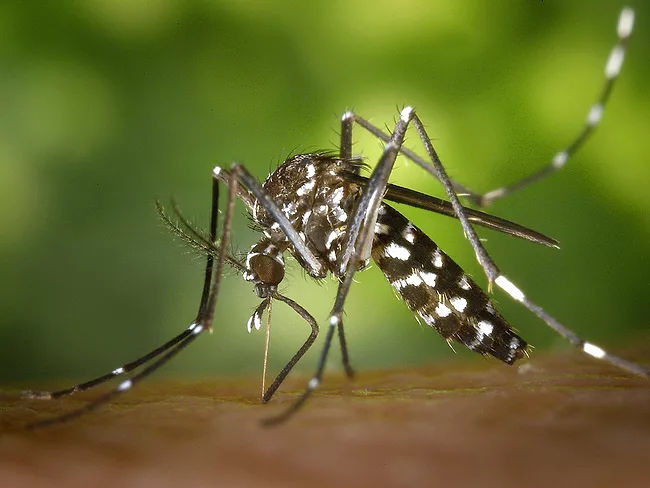
Orthoflaviruses such as dengue, West Nile and Zika viruses are a threat to public health for which no specific treatments exist. Their protease NS2B-NS3, also called orthoflavivirin, is an attractive drug target because it is essential for virus maturation. Targeting viral proteases has already proven effective for creating drugs against HIV, hepatitis C and SARS-CoV-2 viruses.
The cardiomyositis that is a rare adverse effect of mRNA-based COVID vaccines is due to immune cell activity as a result of increased levels of the chemokines CXCL10 and interferon-γ (IFN-γ). Blocking CXCL10 and IFN-γ could prevent muscle cell damage in cell culture, and cardiomyositis in animal models. The findings, reported in the Dec. 10, 2025, issue of Science Translational Medicine, suggest a way of mitigating the risk of cardiomyositis.
Many cases of human immunodeficiency virus (HIV)-1 infection can be effectively treated with existing drugs, but they can lose efficacy over time because of the emergence of resistance. In an effort to generate next-generation drugs, Chinese researchers at the Chinese Academy of Medical Sciences & Peking Union Medical College and other institutions synthesized a series of peptidomimetics against the viral protease, in which they extended the therapeutically effective hydroxyethyl sulfonamide scaffold using an amino acid linker. They reasoned that the linker could allow the drug to make additional contacts with the protease.
Researchers from the Università degli Studi di Napoli Federico II and collaborators described the antibacterial activity of N-19004, an antagonist of formyl peptide receptor 1 (FPR1).
The UK Health Security Agency (UKHSA) has identified a new recombinant strain of mpox (formerly monkeypox) that contains elements of clade Ib and clade IIb of the virus, in a traveler who recently returned from Asia. In a paper describing the new strain, the researchers at UKHSA say it is not possible to determine from a single genome how long the recombinant virus has been in circulation, or whether it will have a fitness benefit over currently circulating lineages.
Centauri Therapeutics Ltd. has disclosed conjugates consisting of a peptide such as polymyxin or its derivative covalently linked to a rhamnose unit via a linker reported to be useful for the treatment of infections.
A consortium including Korea Disease Control and Prevention Agency (KDCA), International Vaccine Institute (IVI), ST Pharm Co. Ltd. and Seoul National University (SNU) is joining forces with CEPI to advance a new AI-designed mRNA vaccine to protect against tick-borne severe fever with thrombocytopenia syndrome (SFTS) virus, or Dabie bandavirus. CEPI is providing up to US$16 million to the project, led by IVI, to test the vaccine’s safety and ability to generate a suitable immune response in healthy adults in preclinical and phase I/II trials in Korea.
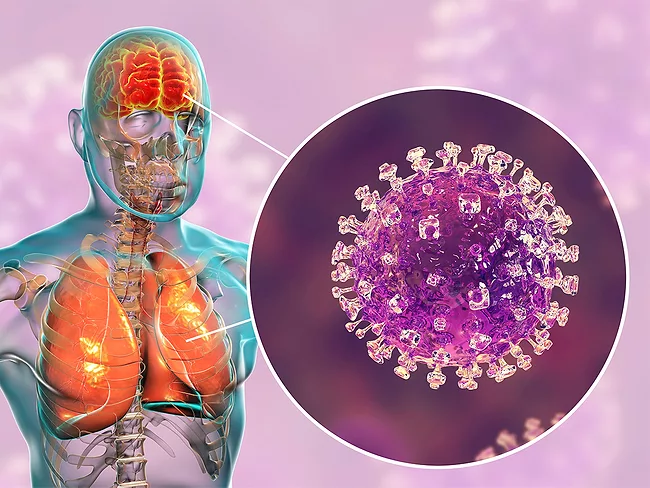
The RNA-based Nipah virus, which causes acute respiratory illness and fatal encephalitis, can be transmitted from fruit bats to humans directly or indirectly via pigs or horses. Researchers at Wuhan Institute of Virology, Chinese Academy of Sciences and collaborators wondered whether their oral nucleoside prodrug VV-116, recently licensed against human coronaviruses such as SARS-CoV-2 in China, would be effective against Nipah virus.
 RSS
RSS