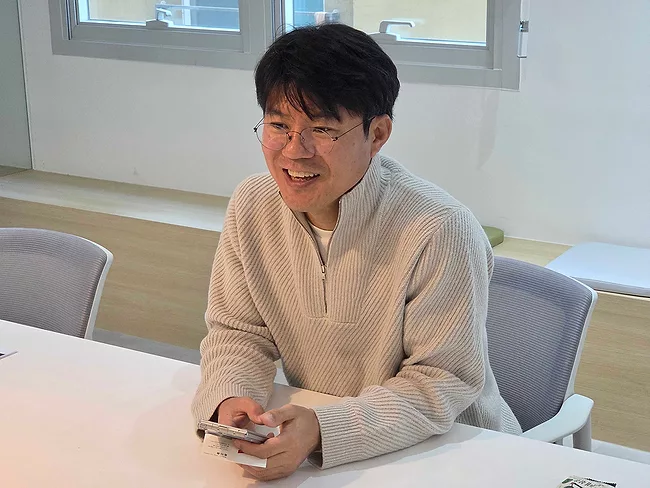
Things once done in laboratories can now be done with computers and AI, said Kim Woo-youn, CEO and cofounder of Hits Inc. “We live in the age of ‘digital alchemy,’” Kim told BioWorld, describing how AI is shifting some drug discovery processes from physical to virtual spaces.
Disco Pharmaceuticals GmbH announced the final close of its seed round at €36 million (US$42 million), as it shapes up novel targets it has discovered with its surfaceome platform technology for formal preclinical development.
Laigo Bio BV has raised €11.5 million (US$13.7 million) in a seed round for the further development of a new approach to inducing targeted protein degradation by E3 ubiquitin ligases.
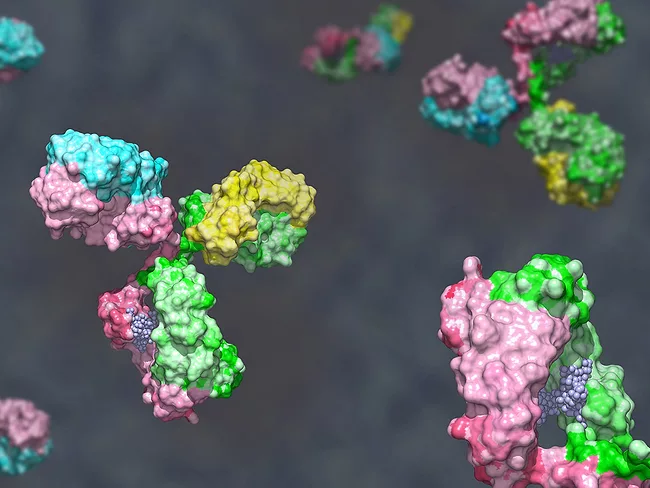
Myrio Therapeutics Pty Ltd. has been able to accomplish something no other company has yet been able to crack: to develop binders where both the affinity and the specificity can be increased.
San Francisco Bay Area researchers from UC Berkeley, UC San Francisco and Stanford University have combined their technologies to create Azalea Therapeutics Inc., a company focused on editing cells in vivo.
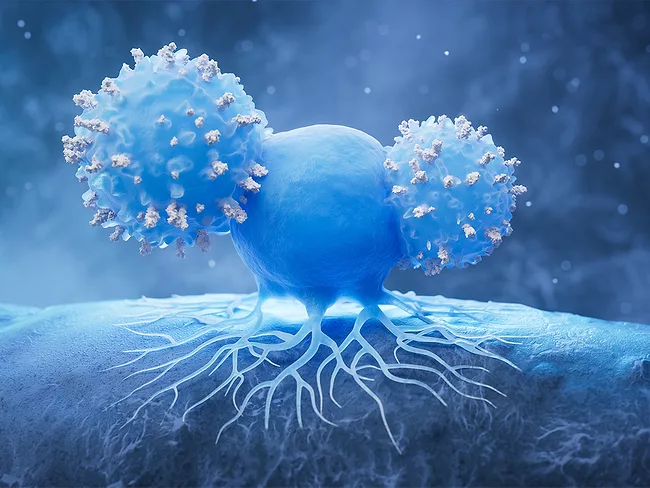
Neok Bio Inc. was formed earlier this year and is already on schedule to file an IND in a few months for its two bispecific antibody-drug conjugates (ADCs) to treat various types of tumors.
Signet Therapeutics founder Haisheng Zhang is betting on organoids and AI to outsmart diffuse gastric cancer and the limits of traditional “clean” drug design.
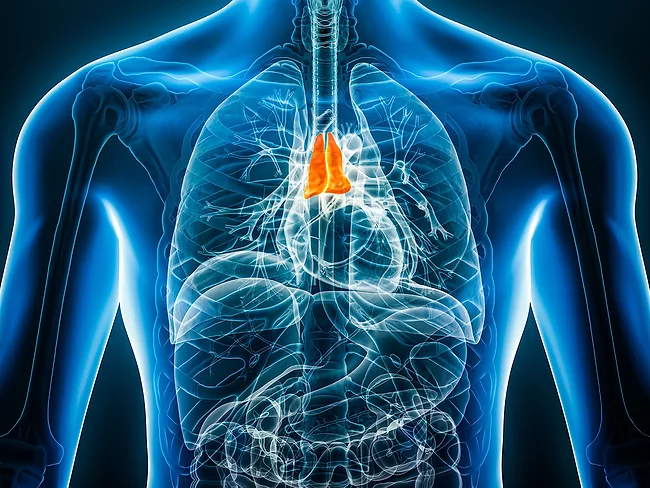
Zag Bio Inc. came out of stealth mode with $80 million in funding so far, including a recently closed series A financing, to develop its platform for autoimmune diseases using drugs targeted to the thymus where thymic regulatory cells are produced.
Expedition Medicines, which Flagship Pioneering Inc. has incubated for the past three years, came out of stealth mode with a $50 million commitment from Flagship to support Expedition’s platform technology to discover small molecules that covalently bind to their target.
Expedition Medicines, which Flagship Pioneering Inc. has incubated for the past three years, came out of stealth mode with a $50 million commitment from Flagship to support Expedition’s platform technology to discover small molecules that covalently bind to their target.
 RSS
RSS