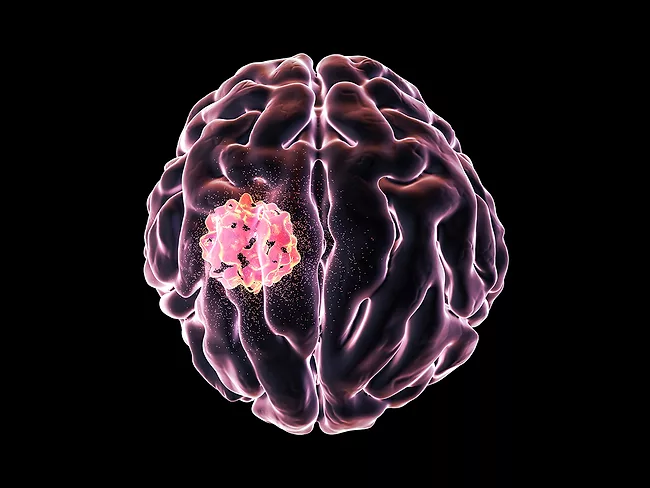
Researchers at the University of Sydney have uncovered a mechanism that may explain why glioblastoma returns after treatment, and the world-first discovery offers new clues for future therapies. Glioblastoma is one of the deadliest brain cancers, accounting for about half of all brain tumors, with a median survival rate of just 15 months. Despite surgery and chemotherapy, more than 1,250 clinical trials over the past 20 years have struggled to improve survival rates.
Rznomics Inc. continued South Korea’s year-end biotech rally with a ₩46.35 billion (US$31.35 million) IPO Dec. 18. Proceeds will fund Seongnam-si, South Korea-based Rznomic’s pipeline of gene therapies, built on the company’s trans-splicing ribozyme RNA Replacement Enzyme technology platform.
Kazia Therapeutics Ltd. raised AU$50 million (US$33.15 million) in a private placement of equity securities to advance lead candidate paxalisib, a brain-penetrant dual PI3K/mTOR inhibitor in clinical trials for brain cancer and advanced breast cancer.
Kazia Therapeutics Ltd. raised AU$50 million (US$33.15 million) in a private placement of equity securities to advance lead candidate paxalisib, a brain-penetrant dual PI3K/mTOR inhibitor in clinical trials for brain cancer and advanced breast cancer.
Previous findings have shown that the bisteric mTORC1 inhibitor Rapalink-1 exerts superior efficacy than the parent inhibitors rapamycin and sapanisertib in orthotopic xenograft models of glioblastoma. The bitopic clinical derivative of this compound is RMC-5552 from Revolution Medicines Inc., which is currently in phase I/II clinical studies for glioblastoma.
Glioblastomas (GBMs) are the most prevalent and highly lethal primary brain tumors and currently rely on limited treatment options. Chimeric antigen receptor (CAR) T cells targeting cell-surface antigens have shown promise in GBM patients, inducing transient tumor regression. However, the lack of known tumor-restricted antigens in GBM limits further improvement of their therapeutic efficacy.
Treatment in glioblastoma usually fails due to tumor heterogeneity and persistence of glioblastoma multiforme stem-like cells (GSCs) within the tumor margin. Researchers from Trogenix Ltd. engineered TGX-007, an AAV1-mediated therapeutic that delivers both cytotoxic and immunomodulatory genetic payloads to the tumor.
Researchers from Tango Therapeutics Inc. presented preclinical efficacy data on TNG-456, a selective MTA-cooperative PRMT5 inhibitor under development for the treatment of glioma and other tumors that frequently metastasize to the brain, such as non-small-cell lung cancer.
Vaxcellbio Co. Ltd. has signed a research agreement with the Korea Drug Development Fund (KDDF) to pursue the discovery of next-generation targeted anticancer lead compounds based on degradation of the molecular motor protein MYO1D (myosin 1D).
Researchers from Eilean Therapeutics LLC and collaborators presented the discovery and characterization of a new, selective CDK2 inhibitor showing potent in vitro and in vivo activity at the 2025 AACR-NCI-EORTC International Conference on Molecular Targets and Cancer Therapeutics.