Dimerix Ltd. has signed an exclusive licensing deal with Everest Medicines Ltd. to commercialize its phase III kidney disease candidate DMX-200 in a transaction worth up to AU$481 million (US$340 million), plus sales royalties.
Artificial intelligence, remote monitoring and need-based innovation are beginning to reshape Australia’s medtech sector’s devices, as well as the way health care itself is delivered, according to speakers at the 2026 Ausmedtech conference in Perth May 19-20.
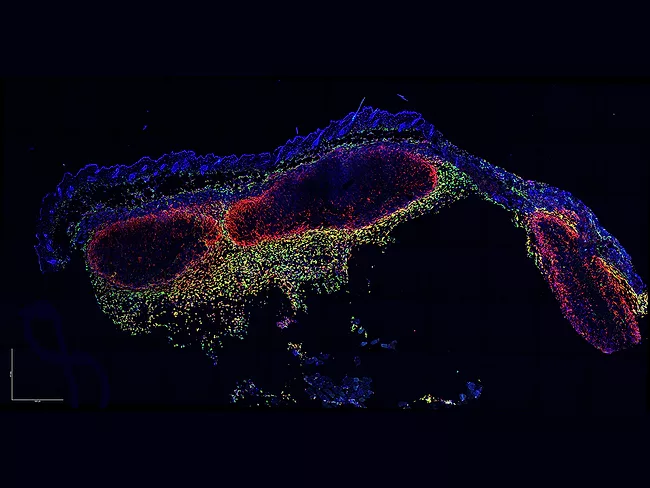
Australian researchers have identified a previously overlooked population of immune cells in the skin that physically restrain melanoma growth by engulfing live melanoma cells, and the discovery could reshape thinking around macrophage-targeted cancer therapies and innate immunity in oncology.
Singapore’s Communicable Diseases Agency on May 7 said that it isolated two residents for hantavirus testing after the individuals disembarked from an Atlantic cruise ship on May 2 and May 6, respectively. The measure comes in response to the cluster of cases from the cruise ship, MV Hondius, that has resulted in three deaths so far.
For the first time in 13 years, the U.S. Trade Representative (USTR) singled out one of the U.S. trading partners as the worst of the worst when it named Vietnam as a Priority Foreign Country (PFC) in its newly released Special 301 Report.
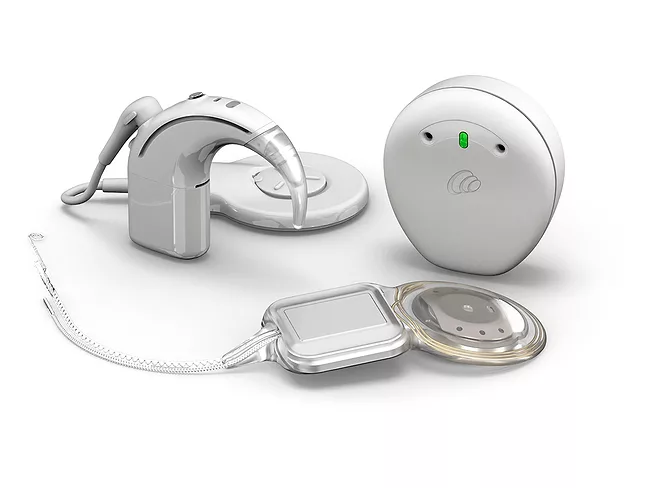
Shares in Aussie hearing implant maker Cochlear Ltd. plummeted nearly 39% April 22 after the company slashed fiscal 2026 earnings guidance and warned that weaker-than-expected demand in developed markets was exposing a more cyclical and discretionary side to its business than investors had assumed.
A pricing standoff between Pfizer Inc. and the Australian government has left women with advanced breast cancer facing tens of thousands of dollars in out-of-pocket costs, underscoring a growing global trend in which access to life-extending drugs is increasingly being shaped by pricing negotiations rather than clinical merit.
A new metasurface design strategy that replaces rigid order with “engineered disorder” could significantly increase how many optical functions can be integrated into a single ultra-thin device without increasing size or complexity, according to a study published in Nature Communications. The study challenges a longstanding assumption in optical engineering that highly ordered, periodic structures are required to precisely control light.
Regeneron Pharmaceuticals Inc. is entering the radiopharmaceutical space via a collaboration with Telix Pharmaceuticals Ltd. to jointly develop and commercialize next-generation radiopharmaceutical therapies.
The U.S. FDA has accepted for review Telix Pharmaceuticals Ltd’s resubmitted NDA for TLX101-Px (Pixclara, 18F-floretyrosine, 18F-FET), its radiolabeled glioma imaging product for characterizing progressive or recurrent glioma in adult and pediatric patients. The FDA assigned a Sept. 11, 2026, PDUFA date.
 RSS
RSS