The recent introduction of the bipartisan Biotech Investment National Security Act in the U.S. House has industry and venture capitalists urging lawmakers to take a breath, step back, and consider a less invasive approach than restricting U.S. biopharma deals with Chinese innovators.
China’s National Medical Products Administration (NMPA) on June 4 granted conditional approvals to two oncology drugs from Lupeng Pharmaceutical Co. Ltd. and Vcare Pharmatech Co. Ltd., as well as one hemophilia drug developed by Staidson Biopharmaceutical Co. Ltd.
Japan has granted marketing approval to Oncolys Biopharma Inc.’s oncolytic adenovirus product, Telomelysin (suratadenoturev, OBP-301), for treating esophageal cancer in patients who are not eligible for curative resection or chemoradiotherapy. The approval marks the first oncolytic adenovirus product approved for esophageal cancer.
Wuxi Apptec isn’t going down without a fight after the U.S. Department of Defense added it to the Section 1260H list June 8 as a designated “Chinese military company,” which makes it a “biotechnology company of concern” under the Biosecure Act. “Such designation is mistaken and baseless,” the global contract research, development and manufacturing organization said in an open letter to its life sciences partners. “We will pursue every available avenue to correct this mistake.” That includes appealing the designation.
On the heels of the multibillion-dollar licensing deal between Bristol Myers Squibb Co. and Jiangsu Hengrui Pharmaceuticals Co. Ltd., Chairman John Moolenaar (R-MI), of the House Select Committee on the Chinese Communist Party, sent a letter to Treasury Secretary Scott Bessent urging him to add biotechnology as a prohibited technology under the Comprehensive Outbound Investment National Security (COINS) Act of 2025.
China’s National Medical Products Administration has issued final implementation measures for drug trial data protection that mark a significant step toward aligning China’s pharmaceutical intellectual property framework with global standards.
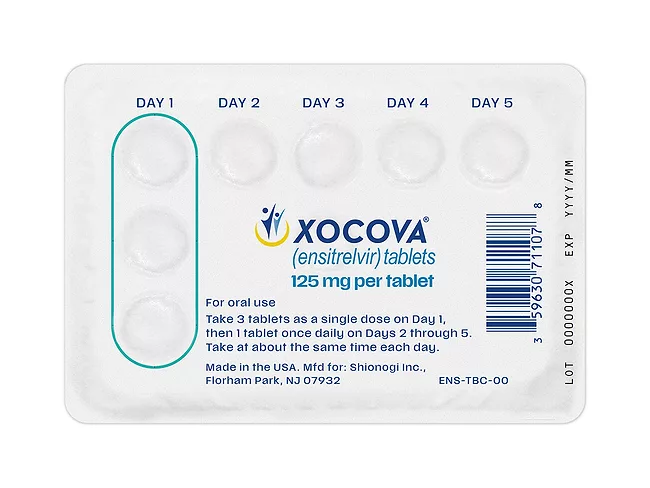
The U.S. FDA approved Shionogi & Co. Ltd.’s Xocova (ensitrelvir) as the first oral post-exposure prophylactic option in the U.S. to prevent COVID-19, with the decision coming ahead of a PDUFA target date of June 16.
In 2025, China’s outbound life sciences and biopharma deals reached nearly $100 billion, about 12 times the level seen in 2021, underscoring how quickly global appetite for Chinese assets has accelerated, according to a recent report by L.E.K. Consulting.
Multiple updates on TROP2-directed antibody-drug conjugates (ADCs) for lung and breast cancers highlight both progress made and opportunities for improvement for the targeted class of cancer therapeutics.
New regulations tighten regulatory oversight of China’s investigator-initiated trials (IITs) but legitimize the pathway that will be open to other modalities beyond cell and gene therapies.
 RSS
RSS