Top-line from Orphazyme A/S’ phase II/III trial of arimoclomol for treating inclusion body myositis, a muscle-wasting disease, failed to hit its primary and secondary endpoints. The data caused investors to pull back sharply as shares of Copenhagen-based Orphazyme (NASDAQ:ORPH) had dropped 28.97% on March 29 to close at $8.80 per share.
RNA therapy developer Proqr Therapeutics NV’s phase I/II study of adults with Usher syndrome and non-syndromic retinitis pigmentosa met all its key objectives, prompting the company to plan two parallel pivotal phase II/III studies that could start by year-end. The company wasted no time as it has already discussed next steps with the FDA to support the therapy’s registration “as soon as possible,” Aniz Girach, Proqr’s chief medical officer, told investors during a March 24 investor call.
A phase IIa study of Frequency Therapeutics Inc.’s lead candidate in treating hearing loss showed it fared no better than placebo, but the company said its faith in the candidate is bolstered by the belief the study was hampered by trial design issues and by data from another study.
Three companies set terms for their IPOs that, if launched, will go far in maintaining the year’s already powerful momentum. Largest of the three comes from Design Therapeutics Inc., which looks to raise net proceeds of $209.1 million to fund its Friedreich’s ataxia program through IND studies and a phase I trial.
Following a missed primary endpoint in its phase III study in treating anti-PD-1-refractory advanced melanoma, Idera Pharmaceuticals Inc. is considering stopping the registrational trial of its synthetic Toll-like receptor 9 (TLR9) agonist or pressing on toward the clinical trial’s second primary endpoint.
Merck & Co. Inc. is bringing in Amathus Therapeutics Inc. to collaborate on developing small molecules to treat neurodegenerative disease. The deal is one of several in the past 18 months that has expanded Merck’s presence in the space.
In a tough indication and a space crowded with developers, Eli Lilly and Co.’s phase III study of the monoclonal antibody mirikizumab for treating moderate to severe ulcerative colitis made a mark by meeting its primary endpoint of clinical remission and all key secondary endpoints compared to placebo.
Intec Pharma Ltd. is merging with privately held Decoy Biosystems Inc. and the combined company will continue advancing Decoy’s immunotherapy technology for treating a variety of tumors and chronic viral infections.
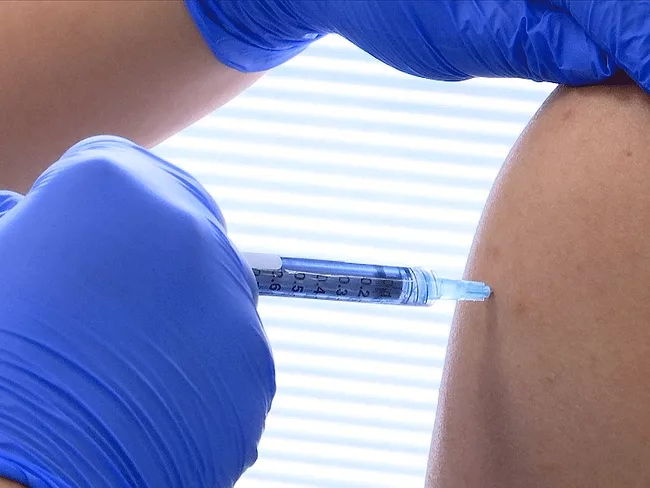
Data from two Novavax Inc. clinical trials show its COVID-19 vaccine had 100% protection against severe disease, including hospitalization and death, paving the way for an emergency use authorization submission in the U.S. Mild and moderate COVID-19 was dramatically reduced in both studies, according to the data, and some efficacy was confirmed in variant strains.
Positive COVID-19 efficacy numbers from Vir Biotechnology Inc. and Glaxosmithkline plc (GSK) has prompted them to immediately seek an emergency use authorization (EUA) with the FDA and similar authorizations in other countries for their monoclonal antibody, VIR-7831. Meanwhile, the phase III Remdacta study of Actemra/RoActemra (tocilizumab) plus Veklury (remdesivir) vs. placebo plus Veklury, from Roche Holding AG and Gilead Sciences Inc., missed its primary endpoint in treating hospitalized patients with severe COVID-19 pneumonia receiving standard of care.