Nephrodite Inc.'s Holly, an implantable, continuous renal replacement system, received U.S. FDA breakthrough device designation as a novel and potentially life-changing treatment for end-stage kidney disease. The system is designed to enable continuous blood filtration and allow patients freedom to go about their days without frequent, hours-long visits to a dialysis clinic or being hooked up to a filtration system at home.
Sometimes the darkest products (names) bring a bright spot of news to their developers, as the U.S. FDA clearance for Galway, Ireland-based Medtronic plc's Onyx liquid embolic system demonstrates. Onyx gained the indication for embolization of the middle meningeal artery as an adjunct to surgery for the treatment of symptomatic subacute or chronic subdural hematoma based on the EMBOLISE trial results. The approval represents a significant advancement in treating this common neurosurgical condition.
The first international consensus framework for the use of continuous ketone monitoring in people with diabetes, published in The Lancet Diabetes & Endocrinology, calls development and use of ketone sensors for the prevention of diabetic ketoacidosis “transformational.” Several companies in the diabetes technology market have recently reported that they are developing dual glucose-ketone sensors, though none have gained U.S. FDA approval yet.
Management is beaming with delight at Heartbeam Inc. as the company's appeal strategy paid off with U.S. FDA clearance for its synthetic 12-lead electrocardiogram software for the assessment of arrhythmias. In November, the Santa Clara, Calif.-based company received a Not Substantially Equivalent determination from the agency on its 510(k) application, which could have substantially delayed commercialization. Following a plan disclosed Nov. 28, the company resolved the agency's issues through an appeal process and active engagement and obtained clearance much more quickly than expected.
Almost a year since first filing its S-1 to return to public markets, Medline Inc. revealed the price range for the most awaited IPO of 2025. The massive medical device development and distribution company plans to offer 179 million shares at $26 to $30 per share, putting the total deal value at $5.37 billion at the upper end. At the top of the range, the IPO would rake in the superlatives: largest IPO of 2025, largest med-tech IPO ever and the largest venture capital exit in med tech. The offering range would value the company at up to $55 billion.
People with drug-resistant epilepsy have had few other options, but Neuropace Inc. appears on target to provide an alternative. The Nautilus trial of its responsive neurostimulation system for individuals with drug-resistant idiopathic generalized epilepsy showed a 77% reduction in generalized tonic-clonic seizures sustained over 18 months.
Natera Inc. completed the acquisition of Foresight Diagnostics Inc. in a deal structured as $275 million up front plus contingent payments of up to $175 million based on achieving certain milestones for revenue and reimbursement coverage. The companies expect to close the transaction in the second quarter of 2026.
The U.S. FDA granted accelerated approval for the Biologics License Application for Axogen Inc.'s Avance, an acellular nerve allograft that serves as a scaffold for nerve regrowth, for treatment of patients with sensory, mixed and motor peripheral nerve discontinuities. The company expects Avance to be commercially available in the second quarter of 2026.
After raising more than twice as much as expected in its March IPO, Kestra Medical Technologies Inc. appears poised to repeat its success with an upsized secondary offering as well. The Kirkland, Wash.-based company initially planned to offer 5.5 million shares in its second pass at the market but increased the number of shares to 6 million two days later when it set the price at $23 per share. The projected gross proceeds of $138 million provide a nice addition to the $232 million raised nine months ago.
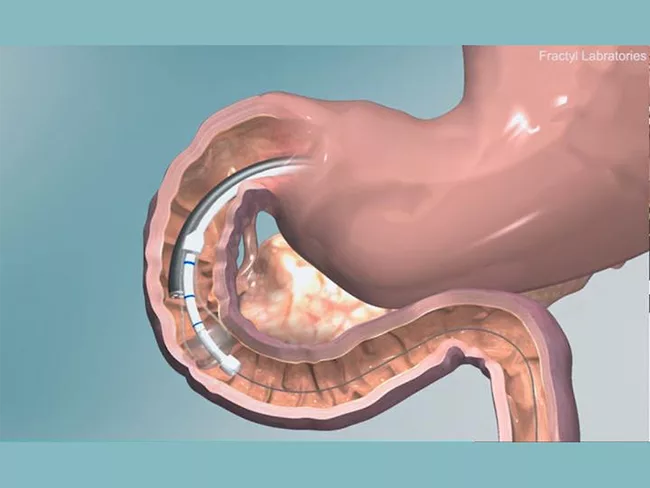
Glucagon-like peptide-1 (GLP-1) receptor agonists clearly help patients shed pounds, but many regain all - or more - of the weight once they discontinue the medications. Fractyl Health Inc. could offer an enduring solution with its Revita procedure. Six-month results from its open-label REVEAL-1 cohort of individuals with obesity who lost 15% or more of their total body weight on a GLP-1 therapy maintained that loss after discontinuing the drugs and undergoing the Revita procedure.