Liability remains one of the biggest barriers to the adoption of AI in healthcare. As more tools get developed for use in clinical settings, a key question persists: Who is ultimately at fault when something goes wrong – the hospital, the clinician or the developer? That uncertainty is making clinicians hesitant to adopt new technologies, delegates heard at the HLTH Europe conference in Amsterdam on June 16.
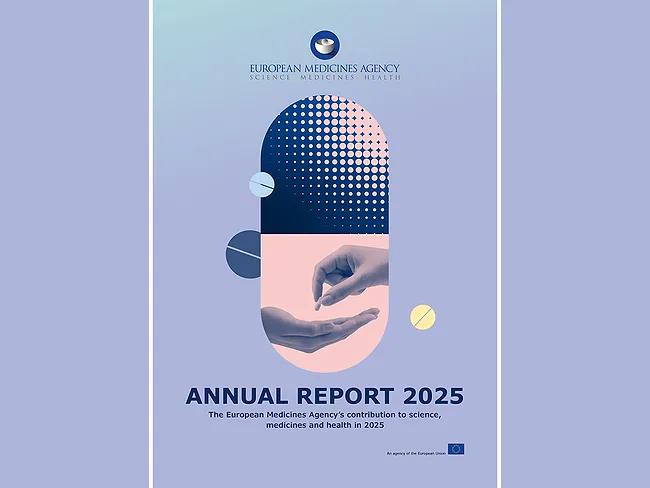
The EMA’s 2025 annual report highlights the pressure it is under to streamline and simplify assessment processes, and the expanded – and explicit – role the agency now has in boosting the competitive position of the EU in the development and manufacturing of drugs.
Even though children make up a quarter of the population, healthcare technologies are not often designed with them in mind. Investment in pediatric innovation remains limited with investors often viewing returns in the space as less predictable. Nevertheless, a number of companies are looking to address this and are developing technologies for kids. Afterall, with huge investments going into longevity R&D, there is a compelling case for addressing health issues at the very early stage, delegates heard at the first annual Pediatric Innovation Summit, held as part of the HLTH Europe conference in Amsterdam on June 15.
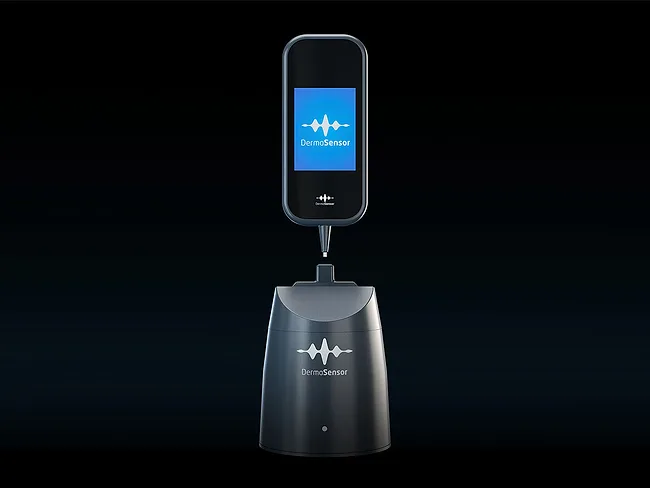
Dermasensor Inc. received CE mark approval for its handheld skin cancer detection device using spectroscopy and AI to test suspicious skin lesions for cancer in real time at the point of care. The device is designed to help qualified healthcare professionals decide whether suspicious skin lesions need further investigation. With skin cancer rates rising, the Dermasensor joins several other AI-based tools entering the European market to help with the analysis of suspicious lesions.
Total med-tech financing through the first five months of 2026 reached $11.01 billion, falling between 2024’s $12.76 billion and 2023’s $8.95 billion over the same period, and trailing 2025’s $14.83 billion.
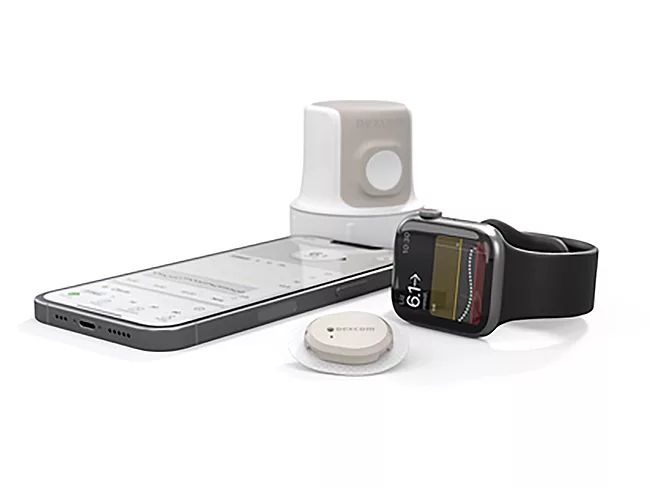
Dexcom Inc. and Insulet Corp. reported new clinical trial data on their diabetes technologies at the 2026 Scientific Sessions of the American Diabetes Association in New Orleans, offering insights that could aid in clinical adoption. Abbott Laboratories, meanwhile, highlighted the risks of diabetic ketoacidosis (DKA) and presented data showing the growing challenge of identifying DKA as it can develop quickly and mimic common illnesses.
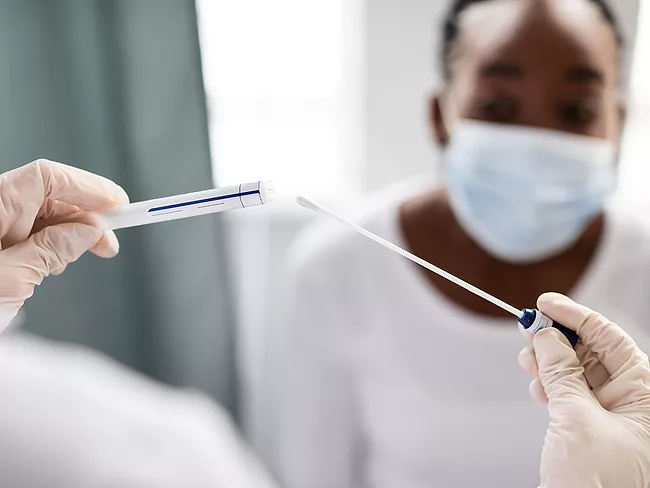
Roche Holding AG has rapidly developed a research-use only molecular PCR test to detect the rare Ebola Bundibugyo virus, to support response efforts amid the ongoing outbreak in the Democratic Republic of Congo and Uganda. The test comes as commentary in The Lancet this week underscored the urgent need for a fit-for-purpose diagnostic test, as it warned that the absence of reliable testing is hampering efforts to ascertain the scale of the epidemic and understand the transmissibility of this strain of Bundibugyo virus.
Mammogen Inc. raised $30 million in equity financing in a series A round to support the clinical advancement and commercialization of its RNA-powered molecular diagnostics platform. The company’s lead product is Gentru-breast, a blood-based assay designed to detect molecular signatures associated with breast cancer from a simple blood draw.
IMU Biosciences Ltd. has closed its series A at £40 million (US$53.9 million), adding £28.5 million to the initial close in January 2024, and bringing the total raised since the company’s formation in 2021 to £45 million. Since that first close, IMU has built what is claimed as the world’s largest high-definition immune system dataset, with almost 25,000 profiles of healthy volunteers and disease-specific patient cohorts.
Rather than reinventing the wheel for every gene therapy that uses genome editing, the U.S. FDA is advising sponsors on leveraging existing knowledge, be it publicly available or platform-based, to more efficiently advance their products across multiple stages of development.
 RSS
RSS