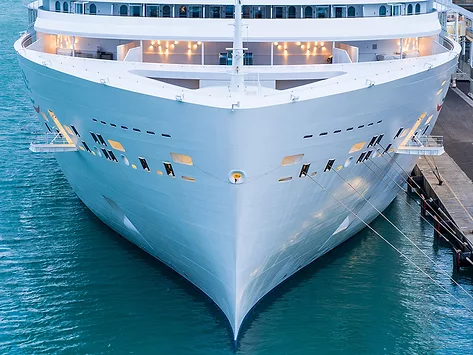
The recent hantavirus outbreak aboard the MV Hondius cruise ship has brought increased attention to an infection for which there are no widely available or FDA-approved therapeutics or vaccines, with limited research occurring only at the earliest stages. The rare Andes strain identified in the outbreak is known for human-to-human transmission, although the original infection comes from rodents. While hantavirus does not spread as easily as an infection like COVID-19, the mortality rate, at 30% to 40%, is significantly greater, and serves as another example as to why biopharmas must be at least two steps ahead with technology that can pivot to quickly address the spread of infectious diseases. Read BioWorld’s ongoing coverage of the current hantavirus outbreak.
News of eight infections and three deaths so far due to an emerging zoonotic virus has brought back unhappy memories of the early days of SARS-CoV-2. At a press conference on Thursday, officials from the WHO did their best to calm the public’s fears that the MV Hondius, the ship currently heading to the Canary Islands with its remaining passengers plus assorted medical, WHO and European Center for Disease Prevention and Control staff, is the 2026 version of the Diamond Princess.